


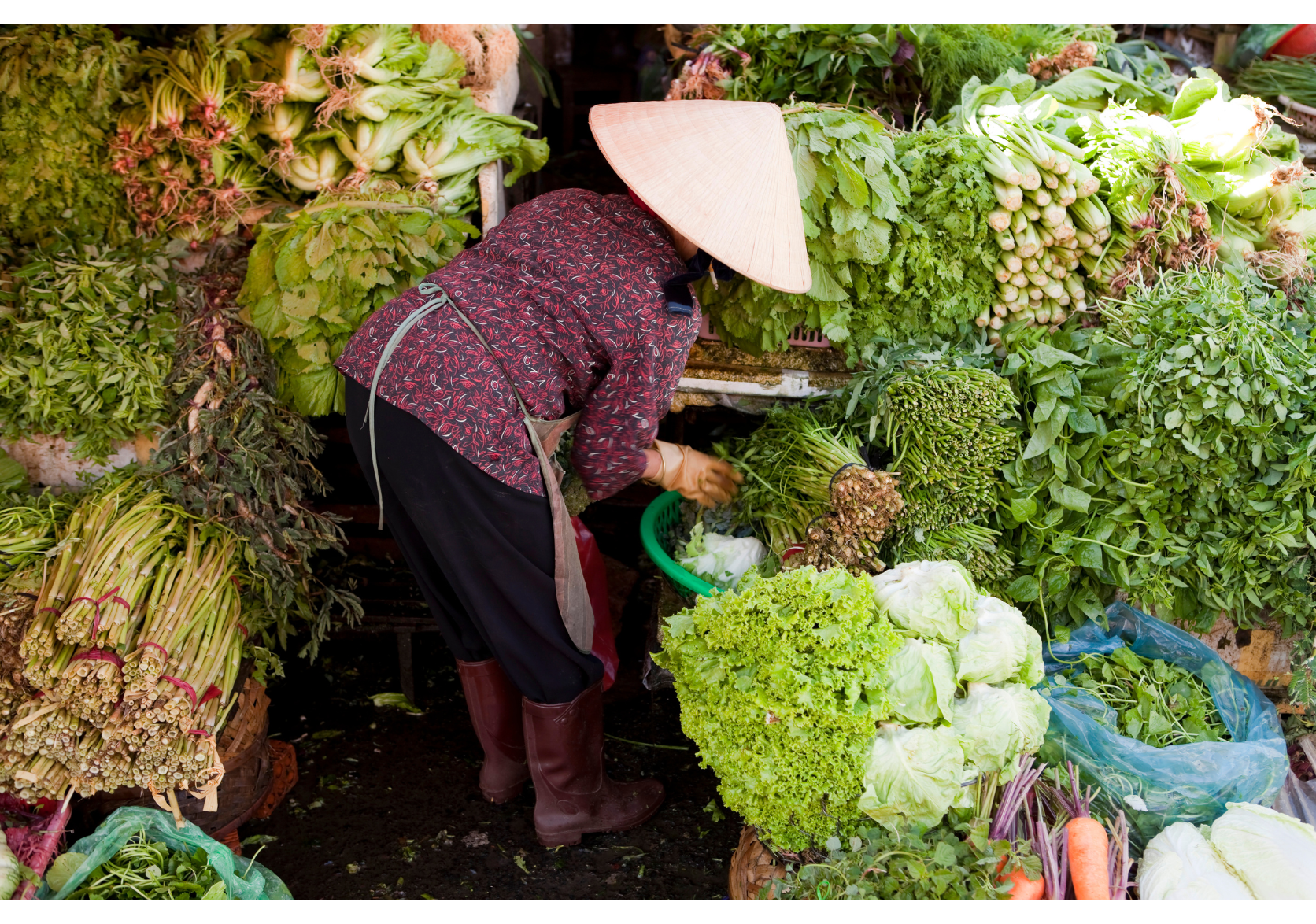
Viet Nam’s fruit and vegetable sector is set to hit a record milestone of US$7 billion, potentially surpassing all forecasts to reach US$7.2 billion in 2024.
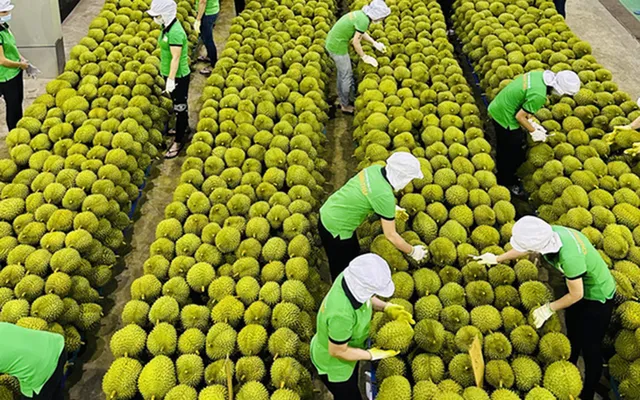
The Ministry of Agriculture and Rural Development set an export value target of US$6-6.5 billion for fruits and vegetables this year.
However, customs data shows that export turnover has already reached approximately US$6.6 billion in the first 11 months, achieving the target one month ahead of schedule.
According to the Viet Nam Fruit and Vegetable Association, exports saw double-digit growth across many markets in the past 11 months, with the highest increases in exports to Thailand, South Korea, Germany, Canada, China, and the United States.
With current export performance, Viet Nam’s fruit and vegetable sector is poised to set a record of US$7 billion, potentially exceeding all forecasts to reach US$7.2 billion in 2024.
China remains one of Viet Nam’s largest fruit import markets, with estimated imports of US$4.6 billion, accounting for nearly 70 percent of Viet Nam’s fruit exports.
The Secretary General of the Viet Nam Fruit and Vegetable Association, Dang Phuc Nguyen, noted that China is a large, potential market with a population of 1.4 billion and the world’s second-largest economy.
Besides, the border gates between Viet Nam and China are located close to Chinese wholesale markets, significantly reducing transportation time and logistics costs compared to other countries.
The U.S. market is considered highly advantageous by fruit businesses since it cannot produce fruits similar to Vietnamese varieties.
Agricultural products from both countries complement each other, particularly as Vietnamese fruits are unique to the U.S. market, leaving room for further expansion.
Deputy Minister of Agriculture and Rural Development Hoang Trung noted that among agricultural, forestry, and fishery products, the U.S. primarily imports cashews, seafood, timber, and fruits from Viet Nam.
The U.S. is identified as a key market for Viet Nam’s high-quality tropical fruits and agricultural products. Technical requirements have been properly addressed by both Vietnamese and U.S. businesses according to each country’s regulations.
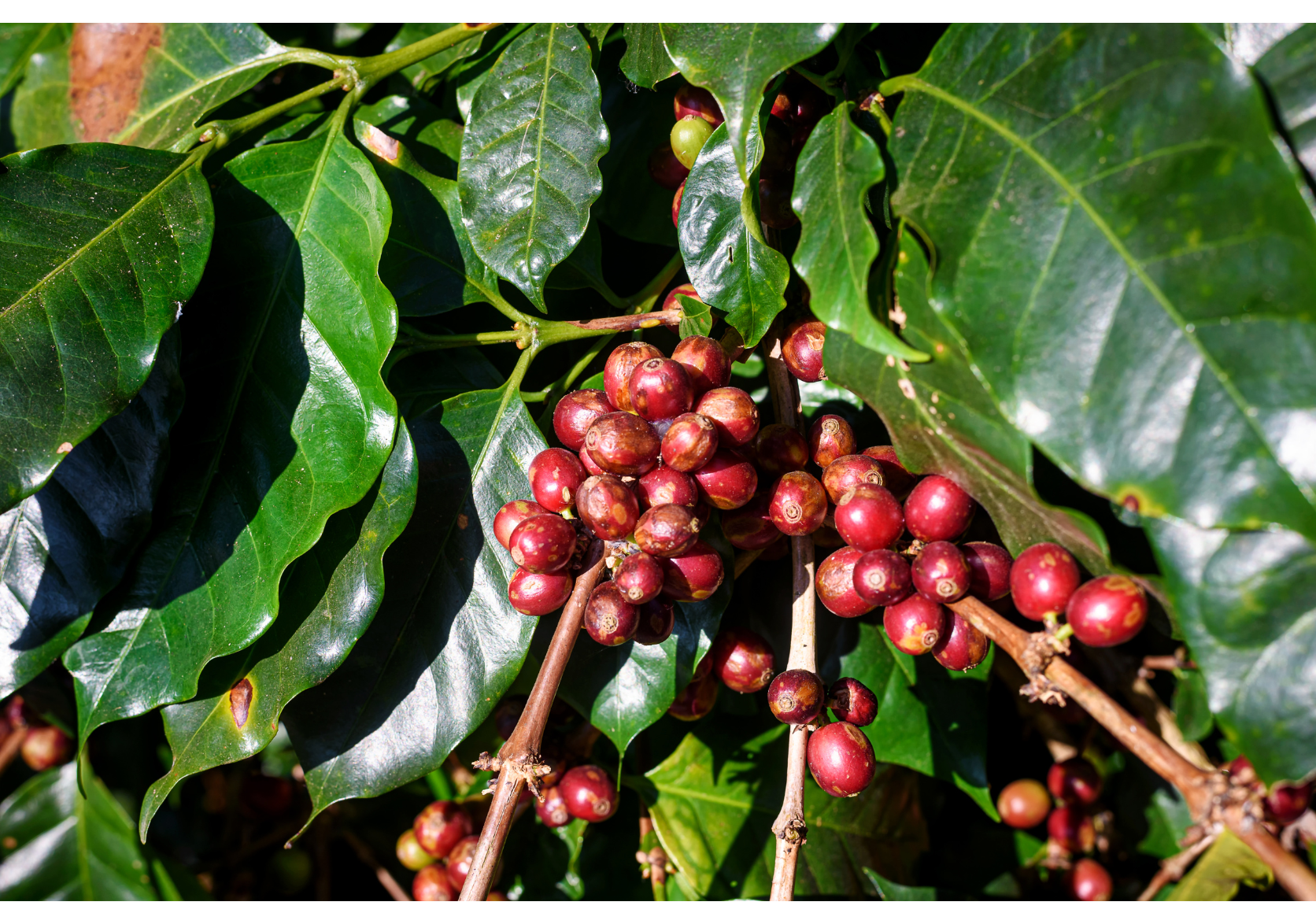
According to General Department of Customs data, total import-export turnover reached approximately US$715 billion by late November, up 15.3 percent, with a trade surplus exceeding US$23 billion. The full-year figure is expected to reach over US$807 billion, marking an all-time high.
Outstanding business efforts combined with active government support have been crucial in achieving this year’s positive results./.
Source: en.baochinhphu
For further international trading connection, feel free to reach us out:
VN ASIAN COMPANY LIMITED, CO. LTD
📧 E-mail: info@vnasian.com || Lucy@vnasian.com
🌎 Website: https://vnasian.com/
📞 Call/Zalo/Viber/Whatsapp: +84 8888 55 247
Address: SH06, Bcons Garden, Di An City, Binh Duong, Vietnam


Bài viết liên quan
Chuyển đổi số trong khai báo hải quan đón đầu xu thế quốc tế
Chuyển đổi số trong khai báo hải quan đang trở thành một xu thế tất yếu, mở ra kỷ nguyên mới cho thương mại quốc tế. Sự dịch chuyển từ các quy trình thủ công sang môi trường số hóa mang đến những thay đổi sâu rộng, giúp doanh nghiệp nâng cao hiệu quả, giảm
Đâu là dịch vụ hải quan xuất nhập khẩu Hà Nội uy tín?
Dịch vụ hải quan xuất nhập khẩu Hà Nội ngày càng trở thành yếu tố quan trọng giúp doanh nghiệp tối ưu hóa quy trình thông quan và giảm thiểu rủi ro pháp lý. Tuy nhiên, để lựa chọn được dịch vụ uy tín, các công ty cần tìm hiểu kỹ về các đơn vị
Tìm nhà cung cấp nông sản nhập khẩu chất lượng cao
Tìm nhà cung cấp nông sản nhập khẩu mở ra nền tảng vững chắc cho chuỗi cung ứng quốc tế. Nguồn hàng ổn định, chất lượng cao giúp doanh nghiệp nâng tầm thương hiệu và duy trì lợi thế cạnh tranh dài lâu. Trong bối cảnh thị trường biến động, việc chọn đúng đối tác