


Experts and Professor talk about Viet Nam’s economic growth
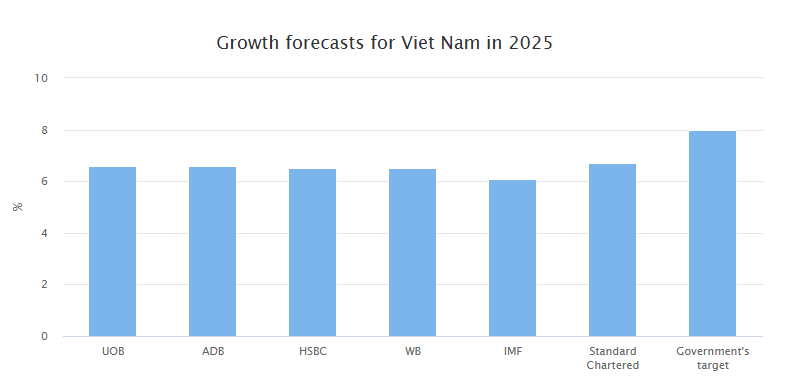
Standard Chartered maintains strong GDP growth of 6.7 percent for Viet Nam in 2025, with growth easing from 7.5 percent year-on-year in the first half to 6.1 percent in the second half.
In its latest macro-economic updates for Viet Nam, Standard Chartered noted that Viet Nam’s economic growth has remained resilient.
Exports grew 14.9 percent year-on-year in the first 10 months of 2024, while imports grew 16.8 percent; with electronics exports and imports continuing their recovery.
The manufacturing sector has experienced solid growth, and relatively accommodative monetary policy may have also contributed to the economic recovery, according to the bank.
Foreign investment trend to Vietnam
Foreign investment appetite remains strong, as indicated by inward foreign direct investment (FDI) flows. Disbursed FDI increased by 8.8 percent year-on-year while pledged FDI rose by 1.9 percent in the same period.
The manufacturing sector accounted for 62.6 percent of total pledged FDI during that period, while the property sector’s share was 19 percent, increasing from a year earlier.
Tim Leelahaphan, Economist for Thailand and Viet Nam, Standard Chartered expected the State Bank of Viet Nam (SBV) to hike rates by 50 basis points in the second quarter of 2025.
“The government’s desire for stronger economic growth may support low interest rates for now. Inflation could rise again starting in the second quarter of 2025; as such, we expect rate normalization in the second quarter”, he shared.
The Federal Reserve System (FED) moves will also be key to the SBV’s policy decisions. Lower USD rates may help to reduce capital outflows, while a sustained trade surplus and strong tourism should support the VND; however, low import cover remains a challenge, told the economist.
International observers talk about Vietnam economic growth in 2025 and near future
According to Oxford Economics, Vietnam’s GDP is expected to grow by 6.5% in 2025. This growth is driven by a stable manufacturing sector and a rapid recovery in domestic demand1. Vietnam is also expected to continue outperforming its ASEAN-6 peers, which include Malaysia, Singapore, Indonesia, Thailand, and the Philippines.
The International Monetary Fund (IMF) projects Vietnam’s GDP to reach $506 billion in 2025, making it the 33rd largest economy globally. The Asian Development Bank (ADB) has also revised Vietnam’s growth forecast upward to 6.6% for 2025.
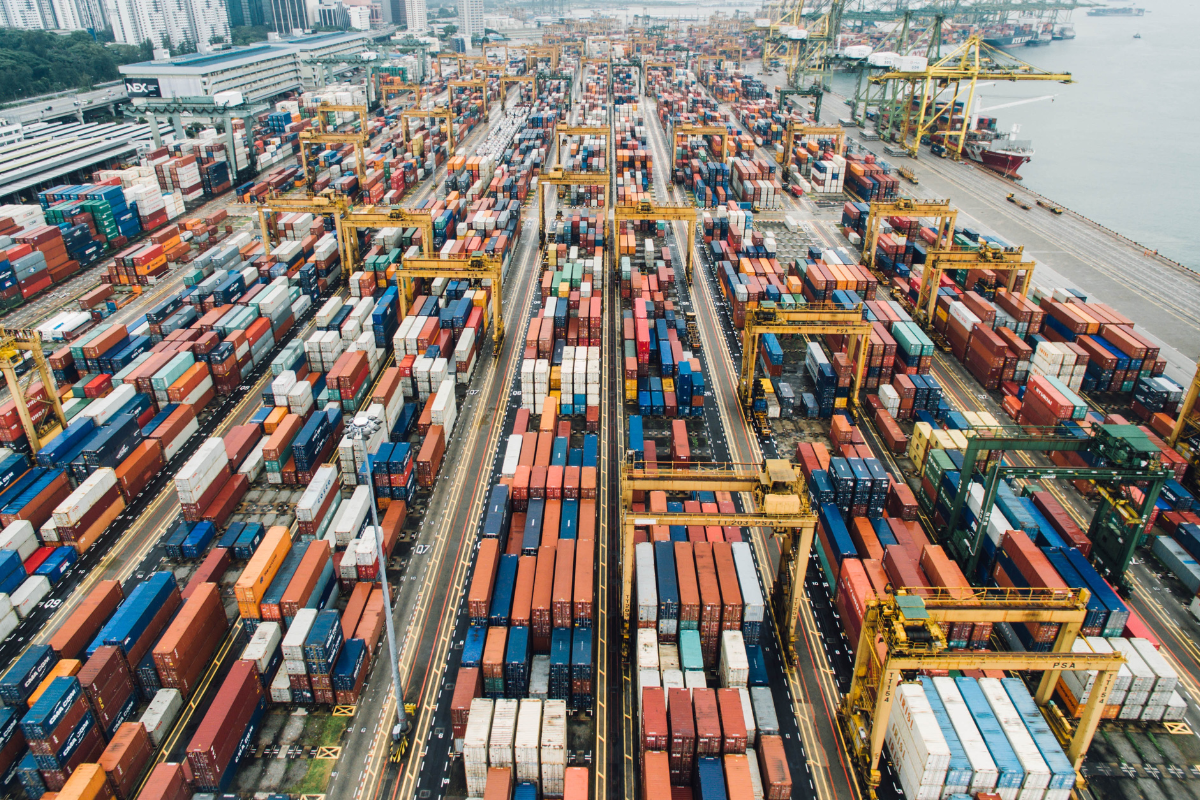
Key factors contributing to this growth include strong trade performance, export-led manufacturing, and ongoing fiscal stimulus measures. The manufacturing sector, particularly in electronics and machinery, is expected to play a significant role.
Here are some key factors contributing to this growth
- Stable Manufacturing Sector: The manufacturing sector, especially electronics and machinery, is expected to continue its strong performance. This sector is a major driver of Vietnam’s economic growth.
- Foreign Direct Investment (FDI): Vietnam continues to attract significant FDI, with disbursed FDI increasing by 8.8% year-on-year. The manufacturing sector accounts for a large portion of this investment.
- Export Growth: Vietnam’s exports have shown remarkable growth, with an annual increase of 14.9% in the first 10 months of the year. This strong export performance boosts the country’s GDP.
- Government Policies: The Vietnamese government has implemented various support policies to stimulate economic growth. These include fiscal stimulus measures and institutional reforms to remove bottlenecks and simplify administrative procedures for investors.
- Domestic Consumption: While consumer spending has been cautious, there are expectations for a boost during holiday seasons and with the stabilization of the macroeconomy.
- Supply Chain Diversification: The “China +1” strategy, which involves diversifying supply chains away from China, has benefited Vietnam by attracting more foreign investment.
- Macroeconomic Stability: The Vietnamese government aims to maintain macroeconomic stability, which is crucial for sustained economic growth. This includes managing inflation and exchange rates effectively.
- Technological Advancements: Investing in science, technology, and innovation is a key component of Vietnam’s growth strategy. This helps improve productivity and competitiveness.
Source: En.baochinhphu, en.vneconomy, Vietnam Investment Review, Vietnam.gov.vn


Bài viết liên quan
[VN] Trade volume likely to reach US$782 bln by year-end 2024
en.baochinhphu – Viet Nam’s total trade with rest of the world is estimated to hit US$782 billion by the end of this year, the General Department of Customs reported on December 19. Top importers of Vietnamese goods The country’s trade volume reached US$745 billion, a year-on-year increase of 15.3 percent, from January 1 to December
Hướng dẫn tối ưu chi phí ủy thác XNK nhanh chóng, hiệu quả
Tối ưu chi phí ủy thác XNK là chiến lược quan trọng giúp doanh nghiệp nâng cao hiệu quả kinh doanh. Trong môi trường thương mại quốc tế đầy cạnh tranh, việc quản lý và tiết giảm các khoản mục chi phí không cần thiết sẽ tạo lợi thế đáng kể. Quá trình ủy thác
Ủy thác xuất nhập khẩu trọn gói – An tâm kinh doanh
Ủy thác xuất nhập khẩu trọn gói giúp doanh nghiệp tối ưu hóa quy trình xuất nhập khẩu, giảm thiểu rủi ro và tiết kiệm thời gian. Với dịch vụ này, bạn có thể tập trung vào phát triển kinh doanh mà không lo lắng về thủ tục hay chi phí phát sinh. 1. Lợi